How to Get Your Business in the News in 2026
Journalists delete 88% of pitches that miss their beat. Here is what actually gets opened, replied to, and published, based on survey data from thousands of reporters.
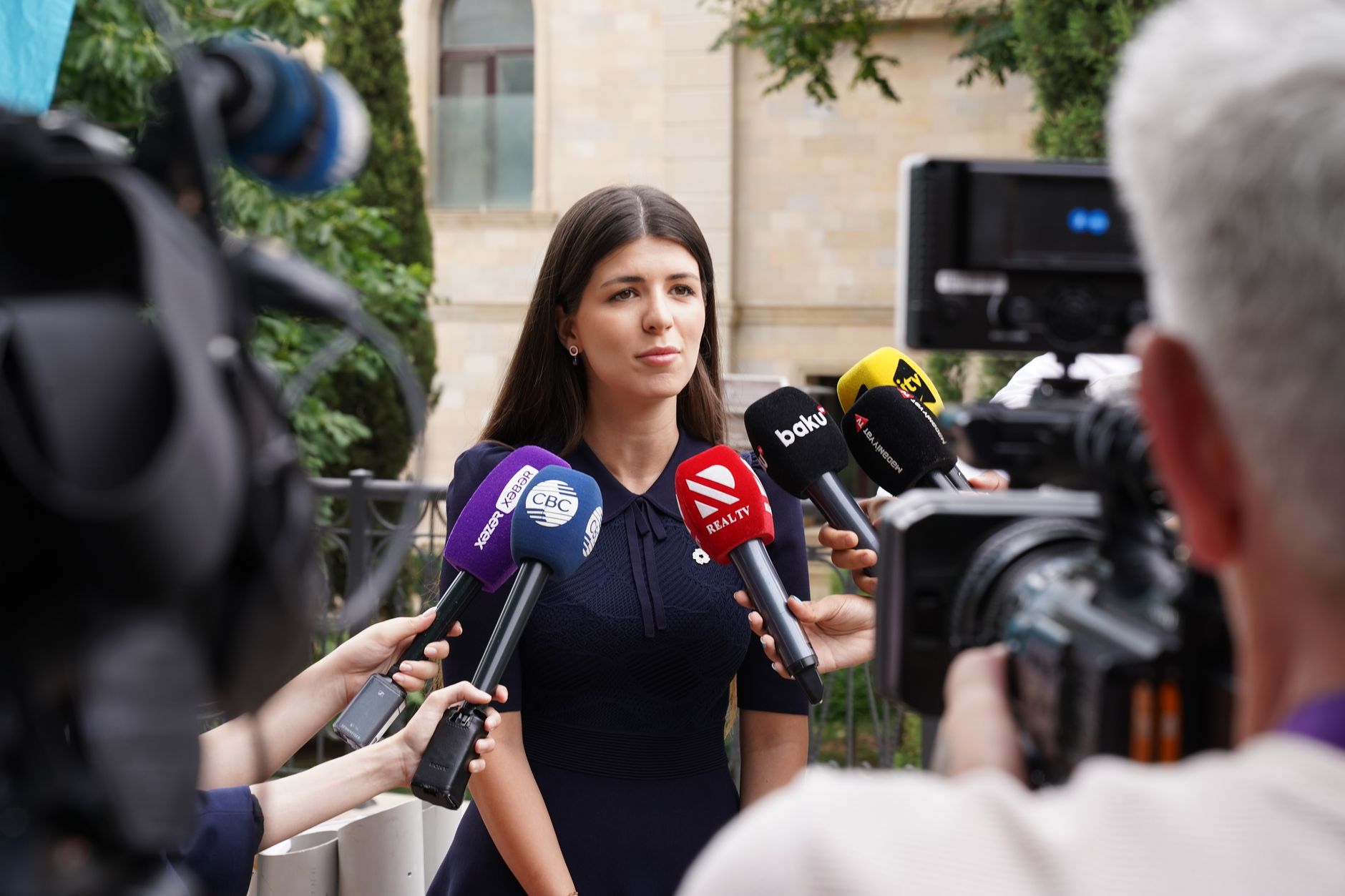
Nobody ignored your pitch. They deleted it in four seconds because it was not about them.
The math nobody tells you before your first pitch
Here is the field you are walking onto. More than half of journalists receive over 50 pitches every single week, per Cision’s 2025 State of the Media Report, which surveyed more than 3,000 journalists across 19 markets. That is ten a day landing in one inbox, most of them written by someone who did not read a word that reporter ever published.
So they triage. And the triage is brutal:
- 88% of journalists delete pitches that miss their beat (Muck Rack, State of Journalism 2026).
- 86% say they immediately reject a pitch that is not aligned with their beat or audience (Cision, 2025).
- 43% say it is rare to get a pitch that is actually relevant to what they cover (Muck Rack, 2026).
Read that last one again. Relevance is rare. Which means the bar to stand out is not clever writing or a bigger budget. It is doing the ten minutes of homework almost nobody does.
Now the good news, and this is the part that should change how you think about press. 86% of journalists say at least some of their work started with a PR pitch (Muck Rack, 2026). They are not hostile to you. They need stories. They are just drowning in bad ones.
Muck Rack’s 2026 report surveyed 1,044 journalists between January 30 and March 2, 2026, with 897 responses in the final analysis. Cision’s is its 16th annual. These are the two numbers everyone in PR actually reads, and they say the same thing from different angles: the door is open, but only to people who knock correctly.
What a pitch that works actually looks like
Journalists told Muck Rack exactly how they want to be approached, and it is almost aggressively simple. 62% prefer a one-to-one email, under 200 words, sent before noon, with one timely follow-up.
Every part of that is a rule you can follow today.
One-to-one. Not a blast. Not a BCC list. Not a press release fired at 400 addresses from a distribution service. One reporter, one email, their name spelled right.
Under 200 words. That is about the length of the section you are reading now. If your pitch needs 600 words to make sense, the story is not clear enough yet. Cut until it hurts, then attach the details.
Before noon. Reporters build their day in the morning. Land in the afternoon and you are competing with a story already in progress.
One follow-up. One. Timely. Then let it go. The person who follows up five times is not persistent, they are a filter reporters build rules to catch.
The four things journalists actually want from you
When Muck Rack asked what journalists value most in a pitch, the ranking was clear:
- Clear relevance to their beat: 70%
- Interview access to relevant sources: 58%
- Original data or research: 40%
- High-resolution images: 37%
Look at what is not on that list. Your funding round. Your rebrand. Your new logo. Your excitement.
Relevance is table stakes. But the other three are where a small business genuinely beats a big one. You can offer a reporter a real operator who will get on the phone today. You can hand over data nobody else has, because you are the one running the shop. You can send photos that are actually usable instead of a logo on a white background.
That is your edge. A Fortune 500 has three layers of comms approval before an executive can say anything interesting. You can answer in an hour.
Why your pitch gets killed, in the journalists’ own words
Cision asked what kills a pitch. The answers were not subtle:
- Too promotional: 70%
- Reads like a marketing brochure: 59%
- No compelling hook: 39%
“We are excited to announce” is the phrase that triggers all three at once. Nobody in a newsroom is excited that you announced something. They care whether their readers will care.
The fix is a translation exercise. Take your announcement and ask what changed in the world because of it. Not for you. For the reader. You did not launch a service. Something got cheaper, faster, safer, or possible for people who could not do it before. That is the story. Your company is how the story happened, not what it is about.
The local angle is the most underused play in PR
Here is the practical part for a business in a real city with real reporters.
National business press is a lottery. Your local outlet, your trade publication, and your industry newsletter are a system. They have fewer stories to fill and fewer people pitching them well, which flips the math entirely. And a trade story frequently carries more weight with buyers than a general-interest one, because your buyers read the trade.
The angles that reliably work locally:
You are the local example of a national story. A trend is in the news. You are the version of it happening here, with numbers. Reporters need local proof for national stories constantly and rarely have it on hand.
You have data nobody else has. You know what your category charges, what changed this year, what customers are asking for now. Aggregate it, anonymize it, and you have made original research. Original data is the third most valued thing on the list and almost nobody offers it.
You can comment on the thing that just happened. New regulation, a competitor’s collapse, a price shift. Being available and quotable inside 24 hours is a real asset.
Somebody real did something real. A hire, a partnership, an expansion, a milestone with an actual human at the center. This is the weakest of the four, but it works locally when the human is genuinely interesting.
Where the source requests went after HARO died
For a decade, the shortcut into press was HARO, Help A Reporter Out, where reporters posted what they needed and sources answered. Then Cision acquired it, rebranded it as Connectively in 2024, added a paid tier, and shut it down on December 9, 2024.
It is not gone, it moved. Here is the current map:
Featured.com bought the HARO brand in April 2025 and relaunched it as a free newsletter with daily digests, free for both journalists and sources.
Qwoted is the strongest paid-tier option. It verifies both journalists and sources, which cuts down the spray-and-pray volume and means your response is more likely to actually get read.
Source of Sources is free and run by Peter Shankman, who founded the original HARO.
ProfNet survived the Connectively shutdown as a Cision product. Paid, and best if you have academic or clinical credentials.
The play is the same on all of them: answer fast, answer completely, and write your response so it can be pasted straight into an article without editing. Reporters on these platforms are on deadline. The useful reply that arrives in an hour beats the perfect one that arrives tomorrow.
The press release is not dead, it is just not a strategy
Worth saying plainly, because the internet keeps declaring otherwise: 72% of journalists still cite press releases as the most useful resource a PR team can offer (Cision, 2025).
But notice the wording. Most useful resource. Not most useful pitch. The release is the thing a reporter opens after your email convinced them to care. It is your fact sheet, your quotes, your assets, your dates and numbers in one place so they do not have to email you five times.
So write releases. Just stop treating “distribute the release” as the campaign. The email that gets one reporter to open it is the campaign.
If you want the mechanics of building one that holds up, we wrote about how we structure them in our public relations work.
What to do in the next 30 days
No theory. Five moves.
Week one: build a real list of 20. Not outlets. People. Twenty reporters who have personally written about your category, your city, or your customer in the last six months. Name, outlet, beat, link to a recent piece, one line on what they seem to care about. This list is the whole asset. Everything else is execution.
Week two: write one story, three ways. Same underlying news, angled for a local reporter, a trade reporter, and a niche newsletter. Under 200 words each. Subject lines that state the story, not your company name.
Week three: send, before noon, one at a time. Personalized first line that proves you read their work. One follow-up, four days later, and only if you have something to add.
Week four: get on the source platforms. Featured, Qwoted, Source of Sources. Set the daily digests to land in the morning. Answer two per day, fast and complete. This is the compounding one. It builds the clip file that makes the next pitch credible.
Ongoing: keep an assets folder ready. Hi-res photos, headshots, a boilerplate paragraph, two or three real numbers about your business you are happy to see printed. 37% of journalists rank hi-res images among what they value most. Not having them ready costs you stories you already won.
The fastest way to see where you actually stand is to look at what a reporter would find if they searched you today. Run a free audit and we will show you what your public footprint says before you ever send a pitch.
FAQ
Do I need a PR agency to get press coverage?
No. You need a list of the right 20 reporters, a story that matters to their readers, and the discipline to send short emails before noon. An agency buys you relationships, speed, and someone doing it when you are busy, which is a real advantage. But nothing in the pitch process requires an agency to unlock it.
How long is a pitch supposed to be?
Under 200 words. 62% of journalists prefer a one-to-one email under 200 words sent before noon with one timely follow-up (Muck Rack, State of Journalism 2026). Put the story in the first two lines, the proof in the next three, and offer an interview or data at the end.
Is HARO still a thing in 2026?
The original shut down. Cision rebranded HARO as Connectively and closed it December 9, 2024. Featured.com bought the HARO brand in April 2025 and relaunched it as a free newsletter. The strongest working alternatives now are Qwoted, Source of Sources, and ProfNet. Same play, new addresses.
How many times should I follow up on a pitch?
Once. Journalists said one timely follow-up. Anything beyond that reads as pressure to someone already handling 50-plus pitches a week, and it is how you get filtered permanently instead of just this once.
Should I pitch national outlets or local ones first?
Local and trade first, and it is not close. There are fewer competing pitches, the reporters need local proof for national stories, and your actual buyers are more likely to read a trade piece than a national business feature. Build the clip file locally, then use it as credibility when you go bigger.
Coverage is a system, not a lucky break
The businesses that get written about are rarely the most interesting ones. They are the ones with a real list, a story translated for the reader, and the discipline to send it short and on time. That is it. The bar is homework, and almost nobody does the homework.
Want us to build the list and write the angles? Book a 15-minute call and we will map what you actually have that a reporter would want. No deck, no fluff. Strategy first. Tactics second. The work works.
Reliable PR & Marketing is a strategy-first marketing agency in Bakersfield, California. We run integrated SEO, PR, web, and content for founder-led companies across Kern County and nationwide. Strategy first. Execution always.